|
Systemic Perspective
“Normalcy” is a cultural value we all share. We frequently say “when things get back to normal,” and we prefer stability over change. After the 2008 financial crash, our government bailed out certain companies at huge expense to maintain the status quo, and during covid, businesses got billions of free dollars to keep people employed in the same basic economic system. To be totally transparent, during the pandemic the federal government gave the software business I started with Michal, Dan, and Anthony S. $750,000 so we could keep paying employees and our landlord! With that money we could keep assuming things would get back to normal - and that was just for our little 90-person team - $8k per person!
This cultural value gives us a lot of power. We can plan long-term when we can depend on things staying the same, which means we can undertake bigger projects more efficiently. Unfortunately, that can damage our overall resilience, because it makes us slower to react to new information. What powers might we gain if we valued flexibility over normalcy?
At the start of the COVID-19 pandemic, “getting back to normal” was a top priority. What if more of us had asked, “What opportunities does this give us to change?”
2020 was also the year we reduced our fossil fuel usage by the biggest margin ever. Animal populations across the globe recovered more than they have in decades. But, since we prioritized returning to “normal” without really considering how we might flex, we lost those benefits. Now we pollute with more carbon than ever.
At RSFIC, our core purpose is resilient access to water, food, shelter, energy, and community. “Normal” for all five of these sources of power is, to quote the news, “not good.” That’s why we’re helping groups of neighbors get organized so they can make impactful, incremental changes in their areas of influence, in the ways that are most important to them.
We all know we need to change.
The corollary is: now it's time for all of us to start changing.
Local opportunities to prioritize flexibility
Our city government is contemplating a new “comprehensive plan,” which is a document that defines “normal” for many of our bureaucratic processes. They have an online interface with their planning process you can access here. I appreciate that they are taking time to collect input from us! They’re also considering some specific ways to add more flexibility to our culture, like relaxing their car-parking regulations (which cost RSFIC alone almost $100,000!). Rad, let's go.
But fundamentally, at RSFIC we think folks need to take more direct responsibility. Please check out the films we’ve produced about local folks doing this, and if you’d like help thinking specifically about what you might do on your own block, come to one of our sip ‘n hangs or apply directly for a grant.
Want something in between? Here are some events you might enjoy. They’ll boost you up emotionally, connect you with more people, and also help you think through how you might prioritize flexibility over “normalcy.”
- IC Community Sing - Tomorrow at 3 PM. Maybe today if you are reading this on Saturday! If you’re like, “what does singing have to do with any of this” then you should definitely come.
- Discover Tai Chi - Monday at 6 PM
- Community Pilates - Tuesday at 6:30 PM
- Sip ‘n Hang - Wednesday at 9:00 AM. Just come hang out with people who don’t think you’re crazy.
- Indivisible Iowa - Wednesday, April 15th, at 7 PM
- Voices of Resilience - Saturday, April 18th at 6:00 PM
- Climate Cafe - Thursday, April 30th at 6:00 PM
And please mark your calendars for these upcoming RSFIC events far in the future!
- Saturday, May 16th, 9:00 AM - RSFIC garden day!
- Saturday, May 30th, 12:30 PM - the next Celebration of Stories of Community
- Thursday, June 4th, 5-7 PM - RSFIC Summer Launch Party! (oo, mysterious 😀)
You can see details for all these events and more at our events page.
Just look for it
Warning: once you start seeing our cultural bias towards the status quo, your life might get significantly less comfortable. If you’re interested, the next time you witness a decision-making process, ask yourself questions like:
- Was one option subject to more scrutiny than the other?
- Were the proponents of one option subject to more scrutiny than the proponents of the other?
- Was one option assumed to have more benefits, while the other was assumed to have more risks?
- Were the people who got their way the same people that usually got their way?
- And most importantly…
- Were the changing realities of our environment and social order considered in the discussion, or did the entire process unfold on the unspoken assumption that our next fifty years will be basically the same as our last fifty years?
And seriously, if you don’t want to ask yourself questions like that all the time, you don’t have to follow me into these rabbit holes. But, we do need everyone to do something. You’re probably already doing something! If you’re not, consider starting by throwing a neighborhood potluck :D
Peace,
Riley
Co-founder, RSFIC
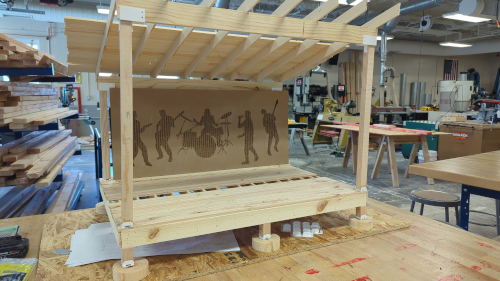
PS: Here's a scale model of the stage Jacob is building w/ his City High class. June 4th, 5 PM Save the date! OOO MYSTERIOUS!